
Etymology of the word “chocolate”
The word “chocolate” is derived from the ancient Mesoamerican language of Nahuatl, which was spoken by the Aztecs and other indigenous people in the region. The Nahuatl word for chocolate is “xocolātl” (pronounced “cho-coh-LAH-tl”), which means “bitter water.”
The Aztecs and other Mesoamerican civilizations used cacao beans to create a bitter drink that was consumed during religious ceremonies and other important events. They believed that cacao had mystical properties and that it was a gift from the gods.
The Spanish conquistadors were introduced to the cacao drink when they first arrived in Mesoamerica in the 16th century, and they eventually brought it back to Europe. At first, it was mainly consumed by Spanish aristocrats, who enjoyed the rich and bitter flavor of the drink.
The Spanish word for chocolate is “chocolate,” which, as mentioned above, is derived from the Nahuatl word “xocolātl.” Over time, the word “chocolate” began to refer not just to the drink itself, but to the sweet treats made from cacao, such as chocolate bars, truffles, and cakes.
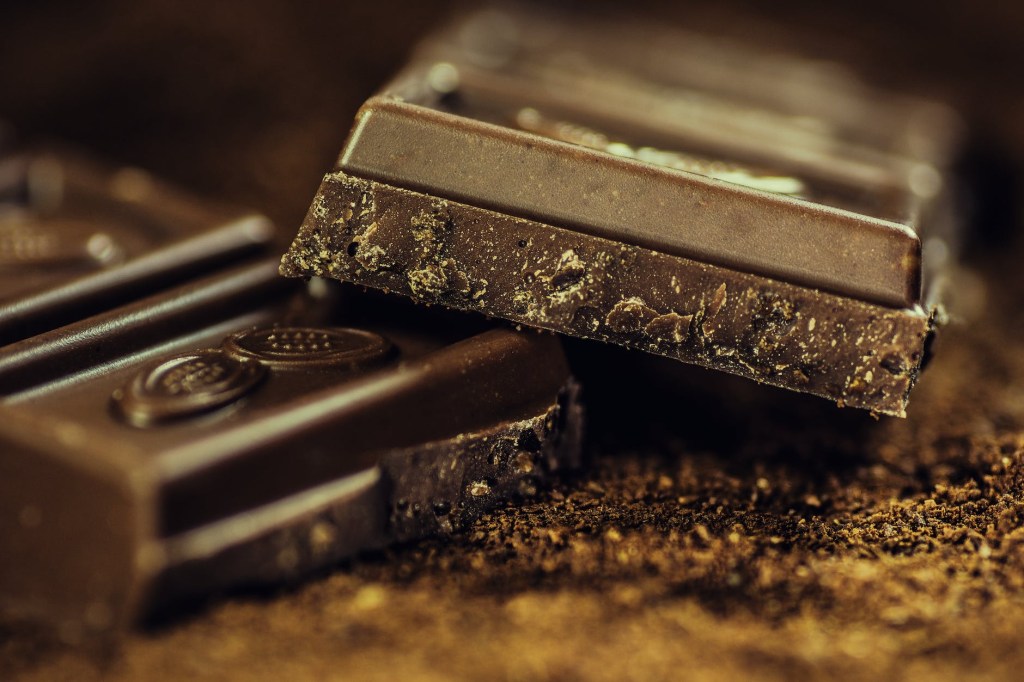
Today, chocolate is enjoyed all over the world, and is available in a wide variety of forms and flavors. From milk chocolate to dark chocolate, white chocolate to chocolate with nuts or fruit, there is a chocolate for every taste.
The etymology of the word chocolate reflects the complex history of this beloved treat. It was first used by ancient civilizations in Mesoamerica, who recognized the value of cacao beans and developed a bitter drink that was consumed during religious ceremonies.
When the Spanish arrived in Mesoamerica, they were introduced to this drink and brought it back to Europe, where it became popular among the aristocracy. Over time, the word “chocolate” came to refer not just to the drink, but to the sweet treats made from cacao, which are enjoyed by people all over the world today.
Despite its popularity, chocolate has a long and complex history that is not always well-known. For example, it is often associated with European cultures, but in fact, it has deep roots in Mesoamerican history and culture.
Today, many people enjoy chocolate without giving much thought to its origins or history. However, understanding the etymology of the word chocolate can help us appreciate this beloved treat on a deeper level, and recognize the cultural significance of cacao and its various forms.
Etimología de la palabra chocolate
La palabra “chocolate” proviene del antiguo idioma mesoamericano de Náhuatl, que era hablado por los aztecas y otros pueblos indígenas en la región. La palabra en Náhuatl para chocolate es “xocolātl” (pronunciada “cho-coh-LAH-tl”), que significa “agua amarga”.
Los aztecas y otras civilizaciones mesoamericanas utilizaban granos de cacao para crear una bebida amarga que se consumía durante ceremonias religiosas y otros eventos importantes. Creían que el cacao tenía propiedades místicas y que era un regalo de los dioses.
Cuando los conquistadores españoles llegaron a Mesoamérica en el siglo XVI, fueron presentados con la bebida de cacao y la llevaron de regreso a Europa. Al principio, era consumido principalmente por la aristocracia española, que disfrutaba del sabor rico y amargo de la bebida.
Como se mencionó antes, la palabra en español para chocolate es “chocolate”, que proviene de la palabra en Náhuatl “xocolātl”. Con el tiempo, la palabra “chocolate” comenzó a referirse no solo a la bebida en sí, sino también a los dulces hechos de cacao, como barras de chocolate, trufas y pasteles.
Hoy en día, el chocolate se disfruta en todo el mundo y está disponible en una amplia variedad de formas y sabores. Desde chocolate con leche hasta chocolate negro, chocolate blanco hasta chocolate con nueces o frutas, hay un chocolate para cada gusto.
La etimología de la palabra chocolate refleja la compleja historia de este querido dulce. Fue utilizado por primera vez por las antiguas civilizaciones en Mesoamérica, que reconocieron el valor de los granos de cacao y desarrollaron una bebida amarga que se consumía durante ceremonias religiosas.
Cuando los españoles llegaron a Mesoamérica, fueron presentados con esta bebida y la llevaron de regreso a Europa, donde se hizo popular entre la aristocracia. Con el tiempo, la palabra “chocolate” comenzó a referirse no solo a la bebida, sino también a los dulces hechos de cacao, que son disfrutados por personas de todo el mundo hoy en día.
A pesar de su popularidad, el chocolate tiene una larga y compleja historia que no siempre es bien conocida. Por ejemplo, a menudo se asocia con culturas europeas, pero, de hecho, tiene profundas raíces en la historia y cultura mesoamericanas.
Hoy en día, muchas personas disfrutan del chocolate sin pensar mucho en sus orígenes o historia. Sin embargo, comprender la etimología de la palabra chocolate puede ayudarnos a apreciar este querido dulce en un nivel más profundo y reconocer la importancia cultural del cacao y sus diversas formas.
 Firefly Linguistics