
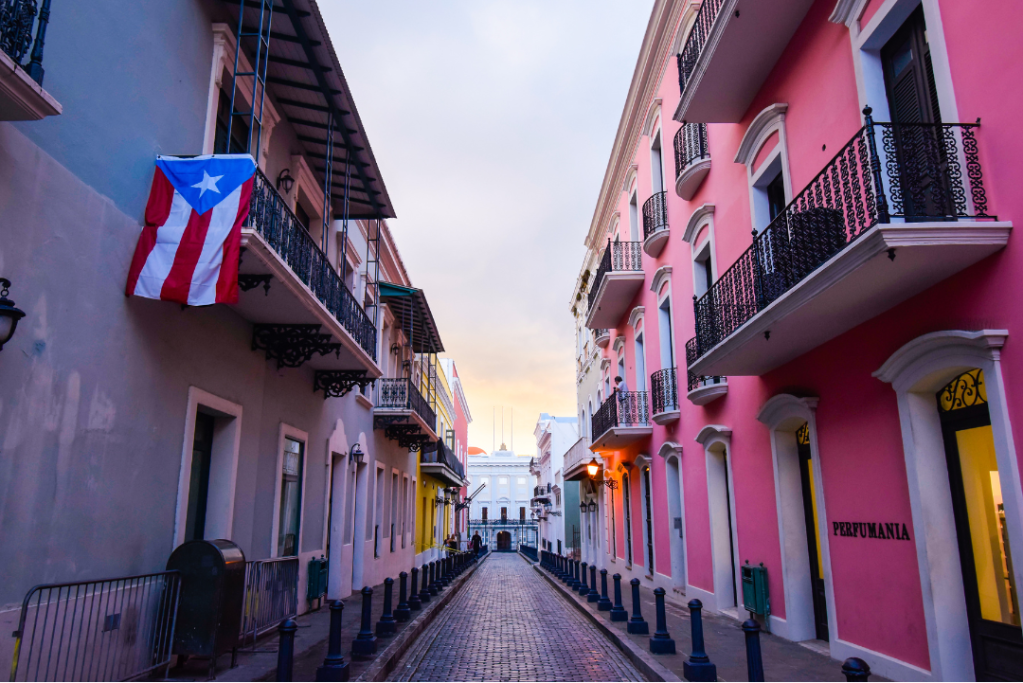
Puerto Rico is a beautiful island in the Caribbean with a unique culture and language. The Spanish language heavily influences Puerto Rican vocabulary, but there are also several words and phrases that are unique to the island. In this post, I would like to share some of the most interesting and commonly used Puerto Rican vocabulary, along with a few some additional words and phrases related to food and places to visit, all to help you enjoy your time in Puerto Rico.
- Boricua – A term used to refer to Puerto Ricans. It’s derived from the Taíno word Borikén, which was the original name of the island before the Spanish colonization.
- Plena – A traditional Puerto Rican music genre that originated in the coastal areas of the island. It has African, Spanish, and indigenous influences and is characterized by its use of drums, percussion, and call-and-response singing.
- Jíbaro – A term used to describe Puerto Ricans who live in rural areas and maintain traditional lifestyles. It can also refer to the traditional music, dance, and dress associated with rural Puerto Rico.
- Chinchorro – A small roadside bar or restaurant where locals gather to socialize, eat, and drink. Chinchorros are often located in rural areas or on the coast and offer a relaxed and authentic Puerto Rican experience.
- Coquí – A small tree frog that is native to Puerto Rico. It has a distinctive and loud call that sounds like “co-kee” and is a beloved symbol of the island.
- Pique – A spicy sauce made from hot peppers, vinegar, and other ingredients. It is commonly served with fried or grilled foods and adds a kick of flavor to any dish.
- Sobremesa – The time spent chatting and socializing with friends and family after a meal. It’s a valued part of Puerto Rican culture and often involves coffee, dessert, and lively conversation.
- Pilón – A large wooden mortar and pestle used to crush and grind ingredients such as garlic, herbs, and spices. It’s a traditional tool used in Puerto Rican cooking and can be found in many homes and restaurants on the island.
- Taino – The indigenous people of Puerto Rico who inhabited the island before the Spanish colonization. Many Puerto Ricans are proud of their Taíno ancestry and incorporate elements of Taíno culture into their daily lives.
- Cafetera – A stovetop espresso maker commonly used in Puerto Rican homes. It’s a staple of Puerto Rican coffee culture and produces a rich and strong brew that is enjoyed throughout the day.
- Chévere – A slang term used to describe something cool or awesome. It’s a common expression among young people in Puerto Rico and is often used in conversation.
- Guagua – A word used to refer to a bus or public transportation vehicle. It’s a common term in Puerto Rican Spanish and is used throughout the island.
- Reggaeton – a popular music genre that originated in Puerto Rico in the late 1990s. It is a fusion of different musical styles, including reggae, dancehall, hip-hop, and Latin American music, such as salsa and merengue
- Chupi – A slang term used to describe something tasty or delicious. It’s a playful expression often used when describing food or drinks.
- Yerbatero – A person who sells medicinal herbs and remedies. It’s a traditional occupation in Puerto Rico and reflects the island’s strong ties to natural medicine and healing.
Food and Drink:
- ¿Qué recomiendas?: What do you recommend?
- El café: Coffee
- El agua: Water
- La cerveza: Beer
- El ron: Rum
- El vino: Wine
- La comida: Food
- El desayuno: Breakfast
- El almuerzo: Lunch
- La cena: Dinner
- La ensalada: Salad
- El arroz con gandules: Rice with pigeon peas (Puerto Rico’s national dish)
- Los tostones: Fried plantains
- El mofongo: Mashed plantains stuffed with meat or seafood
- La empanadilla: Fried pastry filled with meat or cheese
- La lechón: Roast pork
- El bacalao: Salted cod
- El flan: Custard dessert
- La piña colada: Pineapple and coconut cocktail (originated in Puerto Rico)
Exploring the Island:
- La fortaleza: The fort (historic site in Old San Juan)
- El Yunque: The rainforest (national park)
- La playa Flamenco: Flamenco Beach (top-rated beach on Culebra Island)
- El Morro: The castle (fortress in Old San Juan)
- El Viejo San Juan: Old San Juan (historic district)
- La cueva del Indio: The Indian Cave (cave system in Arecibo)
- La Bioluminiscente: The bioluminescent bay (natural wonder in Fajardo)
- El observatorio de Arecibo: The Arecibo Observatory (radio telescope)
In conclusion, Puerto Rico has a rich and diverse culture that is reflected in its unique vocabulary. Whether you’re exploring the island’s rural areas, enjoying traditional music and dance, or savoring the flavors of Puerto Rican cuisine, these words and phrases will help you better understand and appreciate the local culture. So go ahead and use them with confidence during your next visit to Puerto Rico!
 Firefly Linguistics