
When we think of German Chocolate, our taste buds instantly anticipate the rich and decadent flavors that have made it a beloved treat around the world. However, the interesting fact is that German Chocolate has no direct connection to Germany. In this blog post, let’s delve into the fascinating etymology of German Chocolate and unravel the story behind its name.
Origins of German Chocolate: Contrary to popular belief, German Chocolate did not originate in Germany. The roots of this delightful chocolate can be traced back to the United States in the mid-19th century. The term “German” in German Chocolate refers to the surname of its creator, Samuel German.
The Creation of German’s Sweet Chocolate: In 1852, Samuel German, an American chocolate maker, developed a unique type of baking chocolate for the Baker’s Chocolate Company. This chocolate had a higher sugar content than other baking chocolates and was more convenient to use in recipes. It quickly gained popularity among bakers due to its smooth texture and rich flavor.
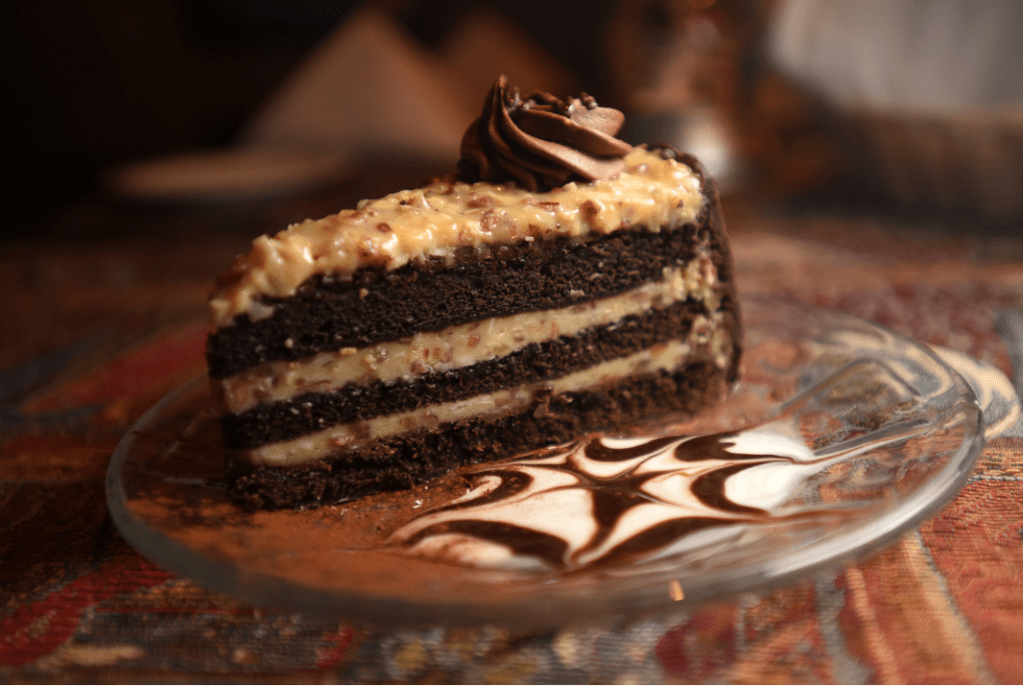
The Rise of German’s Sweet Chocolate Cake: The true breakthrough for German’s sweet chocolate came when a recipe using it was published in a Dallas newspaper in 1957. The recipe was for a luscious cake with a pecan and coconut frosting, which became known as German Chocolate Cake. As the recipe spread across the country, the cake’s popularity soared, and it became a staple dessert in many American households.
The Confusion with the Name: While the cake itself had nothing to do with Germany, the name “German Chocolate” led to misconceptions. Many people assumed that the chocolate and the cake were of German origin. In reality, the name solely honored the inventor of the chocolate, Samuel German.
Legacy and Popularity: Despite the initial confusion, German Chocolate Cake gained tremendous popularity and became an iconic dessert in American cuisine. The combination of the moist chocolate cake layered with a sweet and nutty coconut-pecan frosting continues to delight taste buds to this day.
Expansion of German Chocolate: Over time, German Chocolate expanded beyond cakes and found its way into various desserts, including cookies, brownies, ice cream, and more. Its distinct flavor and texture have made it a sought-after ingredient in the culinary world.
Conclusion: The etymology of German Chocolate reveals a fascinating tale of a chocolate maker named Samuel German, whose innovative creation paved the way for the delectable German Chocolate Cake. While it may not have its origins in Germany, its name has become synonymous with a delightful and indulgent treat enjoyed by chocolate lovers worldwide.
Next time you savor a slice of German Chocolate Cake or indulge in any dessert featuring German Chocolate, remember the story behind its name, which pays homage to an American chocolate innovator. Enjoy the delicious flavors and the sweet history that this iconic dessert represents.
La Dulce Historia detrás del Chocolate Alemán: Explorando su Etimología
Introducción: Cuando pensamos en Chocolate Alemán, nuestros papilas gustativas anticipan instantáneamente los sabores ricos y decadentes que lo han convertido en un dulce querido en todo el mundo. Sin embargo, el dato interesante es que el Chocolate Alemán no tiene una conexión directa con Alemania. En esta publicación de blog, nos adentramos en la fascinante etimología del Chocolate Alemán y descubrimos la historia detrás de su nombre.
Orígenes del Chocolate Alemán: Contrariamente a la creencia popular, el Chocolate Alemán no se originó en Alemania. Las raíces de este delicioso chocolate se remontan a Estados Unidos en mediados del siglo XIX. El término “alemán” en Chocolate Alemán hace referencia al apellido de su creador, Samuel German.
La Creación del Chocolate Dulce de German: En 1852, Samuel German, un fabricante de chocolate estadounidense, desarrolló un tipo único de chocolate para hornear para la empresa Baker’s Chocolate. Este chocolate tenía un mayor contenido de azúcar que otros chocolates para hornear y era más conveniente de usar en recetas. Rápidamente ganó popularidad entre los panaderos debido a su textura suave y sabor rico.
El Ascenso del Pastel de Chocolate Dulce de German: El verdadero avance para el chocolate dulce de German llegó cuando una receta que lo utilizaba se publicó en un periódico de Dallas en 1957. La receta era para un exquisito pastel con un glaseado de nueces pecanas y coco, que se conoció como Pastel de Chocolate Alemán. A medida que la receta se difundía por todo el país, la popularidad del pastel se disparó y se convirtió en un postre imprescindible en muchos hogares estadounidenses.
La Confusión con el Nombre: Si bien el pastel en sí no tenía nada que ver con Alemania, el nombre “Chocolate Alemán” llevó a confusiones. Muchas personas asumieron que el chocolate y el pastel tenían origen alemán. En realidad, el nombre solo honraba al inventor del chocolate, Samuel German.
Legado y Popularidad: A pesar de la confusión inicial, el Pastel de Chocolate Alemán ganó una tremenda popularidad y se convirtió en un postre icónico en la cocina estadounidense. La combinación del jugoso pastel de chocolate con un glaseado dulce y cremoso de coco y nueces pecanas sigue deleitando las papilas gustativas hasta el día de hoy.
Expansión del Chocolate Alemán: Con el tiempo, el Chocolate Alemán se expandió más allá de los pasteles y encontró su lugar en diversos postres, como galletas, brownies, helados y más. Su sabor y textura distintivos lo han convertido en un ingrediente muy buscado en el mundo culinario.
Conclusión: La etimología del Chocolate Alemán revela una historia fascinante de un fabricante de chocolate llamado Samuel German, cuya creación innovadora allanó el camino para el delicioso Pastel de Chocolate Alemán. Si bien puede que no tenga sus orígenes en Alemania, su nombre se ha vuelto sinónimo de un dulce delicioso e indulgente disfrutado por amantes del chocolate en todo el mundo.
La próxima vez que saborees una porción de Pastel de Chocolate Alemán o te deleites con cualquier postre que incluya Chocolate Alemán, recuerda la historia detrás de su nombre, que rinde homenaje a un innovador del chocolate estadounidense. Disfruta los sabores deliciosos y la dulce historia que este postre icónico representa.
 Firefly Linguistics